IO Safety Panel
Human iPSC-based multi-tissue safety screening for immuno-oncology programs
.jpg "nc_material (7)")
Off-target binding and on-target off-tumour activity remain major sources of late-stage failure in immuno-oncology. Identifying these risks late compresses timelines and limits mitigation options.
Early, multi-tissue screening provides context. It helps teams understand where functional toxicity emerges and which signals require follow-up before committing to late tox.
iPSC-derived systems support this by reducing donor variability and enabling reproducible comparisons across tissues.
The Ncyte IO Safety Panel evaluates cytotoxic risk across seven healthy human tissues within one standardized experimental workflow:
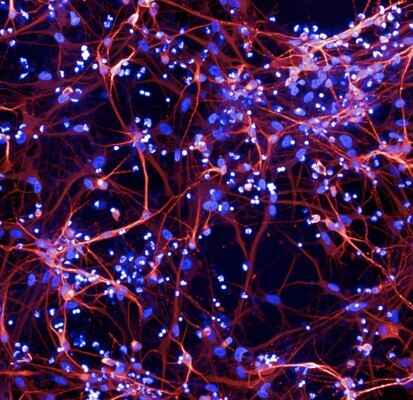
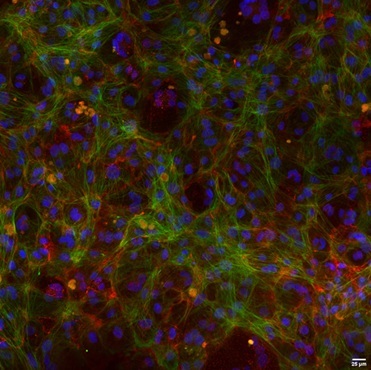
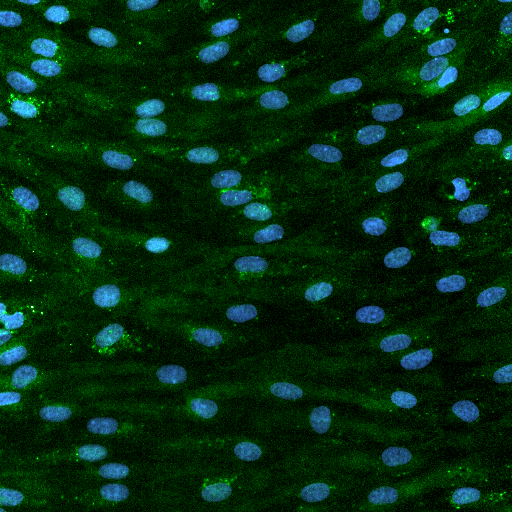
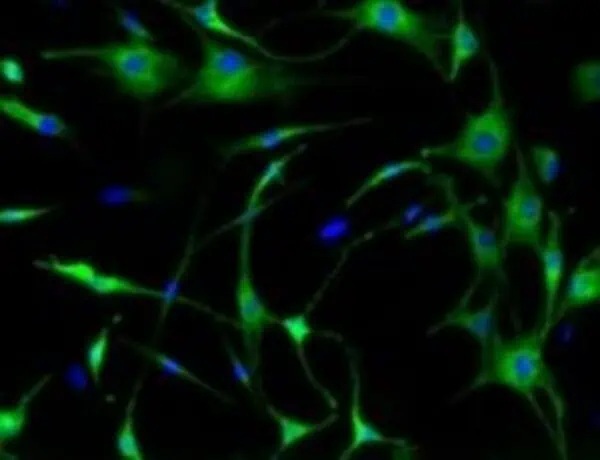
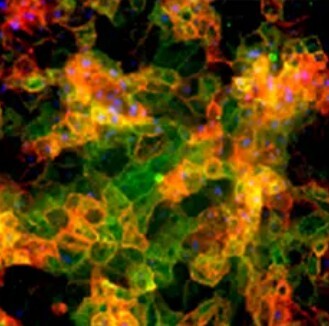
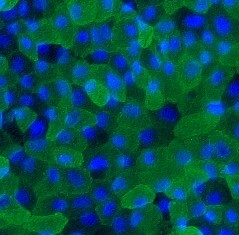
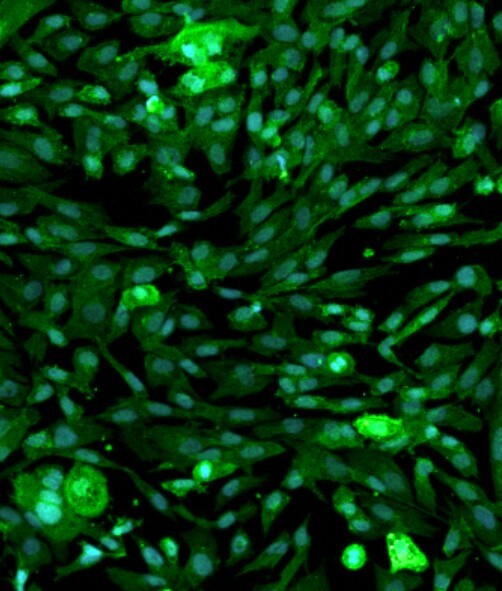
All tissues are fully iPSC-derived and manufactured under controlled conditions, enabling direct comparison of tissue sensitivity and efficient identification of liabilities.
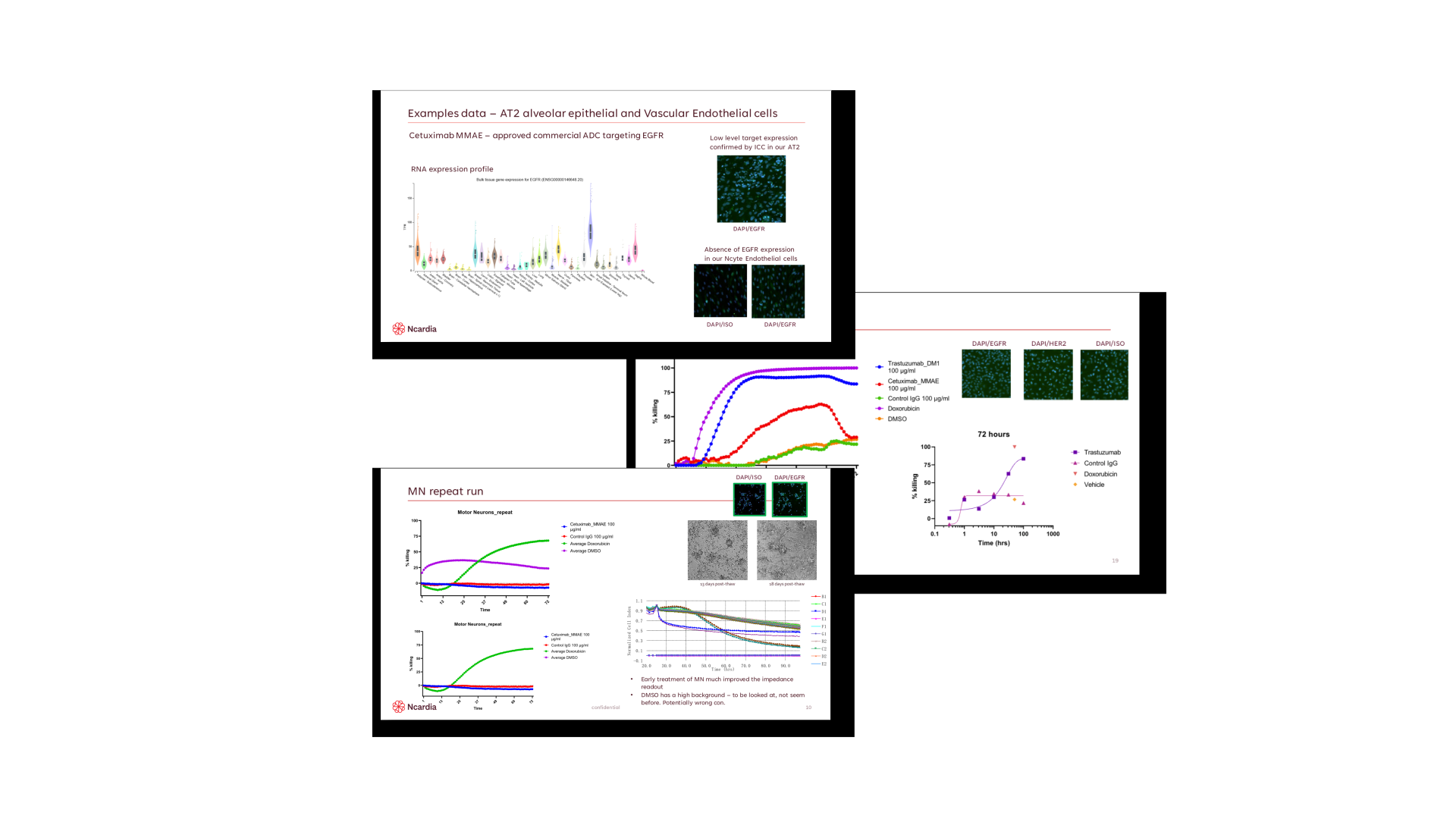
Real-time impedance monitoring captures functional responses over time, including onset and progression that endpoint assays miss.
Immunocytochemistry or immunofluorescence confirms target expression and cellular context, supporting biological interpretation of functional effects. For example, early impedance changes in neuronal models can indicate rapid functional compromise.
Results are delivered in a structured, regulatory-oriented report suitable for internal governance and IND briefing materials.
This approach has supported IND activities for TCR-based programs and is now available for ADCs and antibodies.
Typical report elements include:
Explore human-relevant IO safety for your lead candidates
Start a Conversation