- Characterised excitatory glutamatergic neuronal population
- Suitable for synaptic and neuronal network studies
- Applicable to CNS drug discovery and safety research
.png)
Ncyte® Excitatory Neurons develop characteristic neuronal morphology and extensive neurite growth following thawing and culture.
Excitatory neuronal identity is demonstrated by expression of the pan-neuronal marker TUBB3 and the glutamatergic neuron marker vGLUT1.
Differentiated neurons can be observed from Day 1–2 post-thaw. For more mature neuronal morphology, culture until at least Day 7 is recommended.
.png) Immunofluorescence staining of Ncyte® Excitatory Neurons at Day 7 post-thaw demonstrates expression of TUBB3 and vGLUT1.
Immunofluorescence staining of Ncyte® Excitatory Neurons at Day 7 post-thaw demonstrates expression of TUBB3 and vGLUT1.
Excitatory neurons are an important component of neuronal networks and provide a relevant human cellular system for studying synaptic signalling and network activity.
Ncardia is evaluating Ncyte® Excitatory Neurons in functional neuronal assays, including multi-electrode array measurements. In internal studies, excitatory neurons cultured with astrocytes developed measurable network activity and met predefined MEA performance criteria by Day 21.
This work supports the potential use of Ncyte® Excitatory Neurons in functional CNS research where neuronal firing and network behavior are relevant experimental readouts.
Ncyte® Excitatory Neurons are well suited for electrophysiological studies, neuronal network research and disease modelling where altered excitatory signalling and synaptic function play an important role. They can support applications including seizure liability, neurotoxicity and the investigation of mechanisms associated with CNS diseases. Our neuroscience team can support assay development and functional screening, helping you assess the efficacy and safety of therapeutic candidates in human-relevant neuronal models.

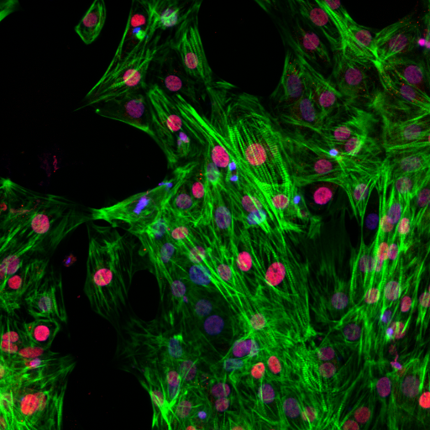
Human iPSC-derived atrial cardiomyocytes
Neural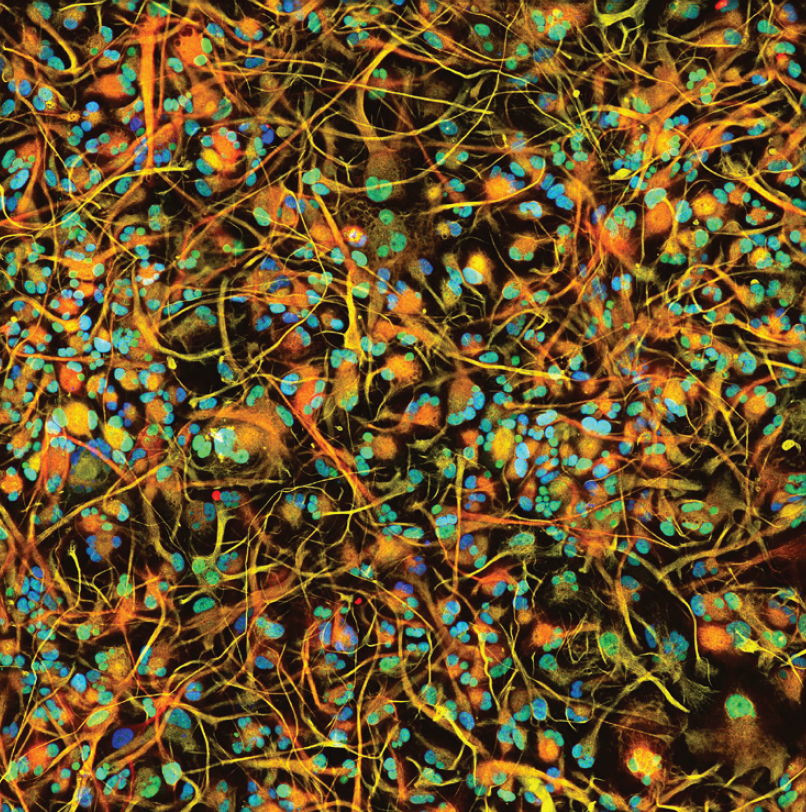
Human iPSC-derived astrocytes
Vascular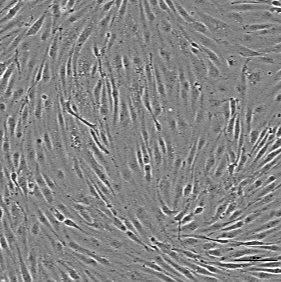
Human iPSC-derived vascular endothelial cells
NeuralHuman iPSC-derived excitatory glutamatergic neurons
Neural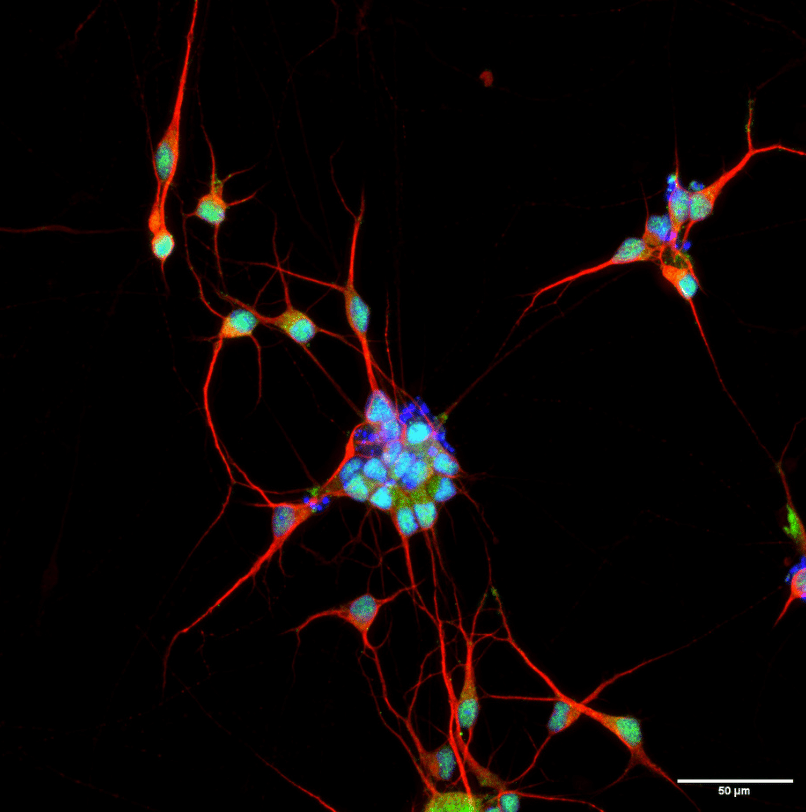
Human iPSC-derived GABAergic neurons
Cardiac.png)
Human iPSC-derived 3D cardiac microtissue model
Neural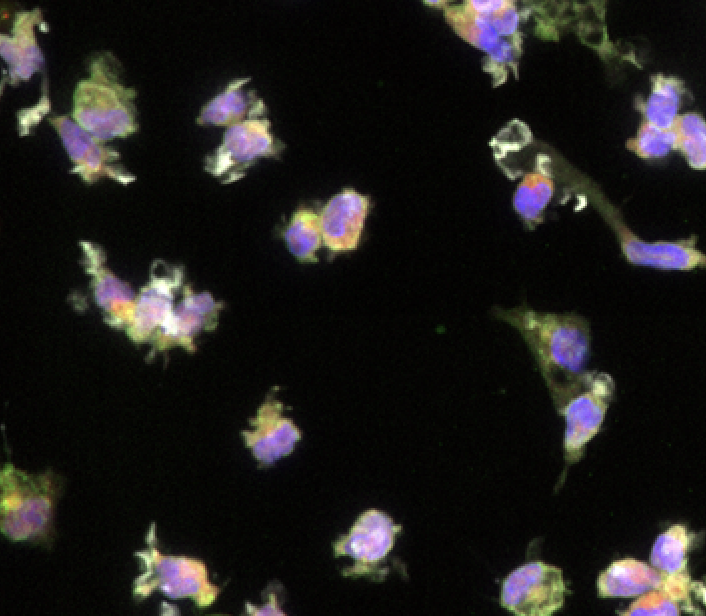
Human iPSC-derived microglia
Cardiac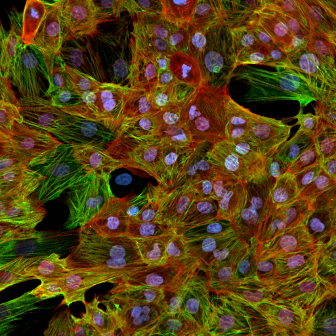
Non-Human Primate Cynomolgus iPSC-Derived Ventricular-Like Cardiomyocytes
Vascular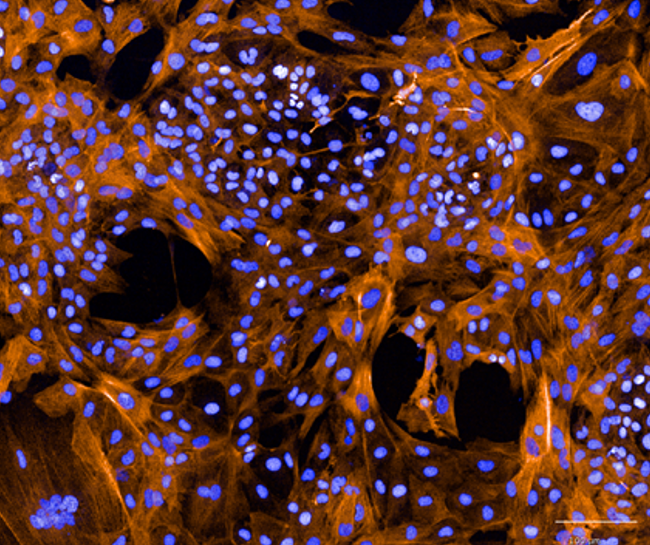
Human iPSC-derived vascular smooth muscle cells
Cardiac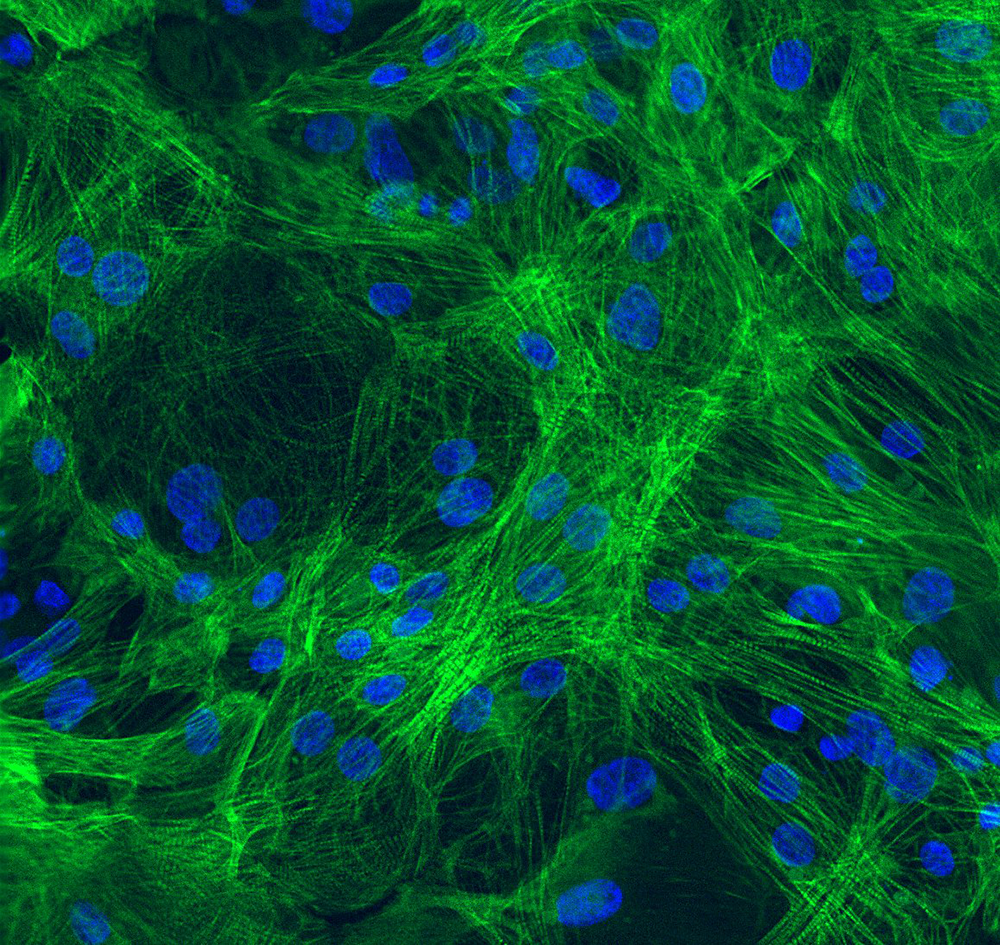
Human iPSC-derived ventricular cardiomyocytes