- Characterised sensory neuron polulation
- Relevant for nociception, chronic pain and peripheral neuropathy research
- Suitable for analgesic discovery, and neurotoxicity studies
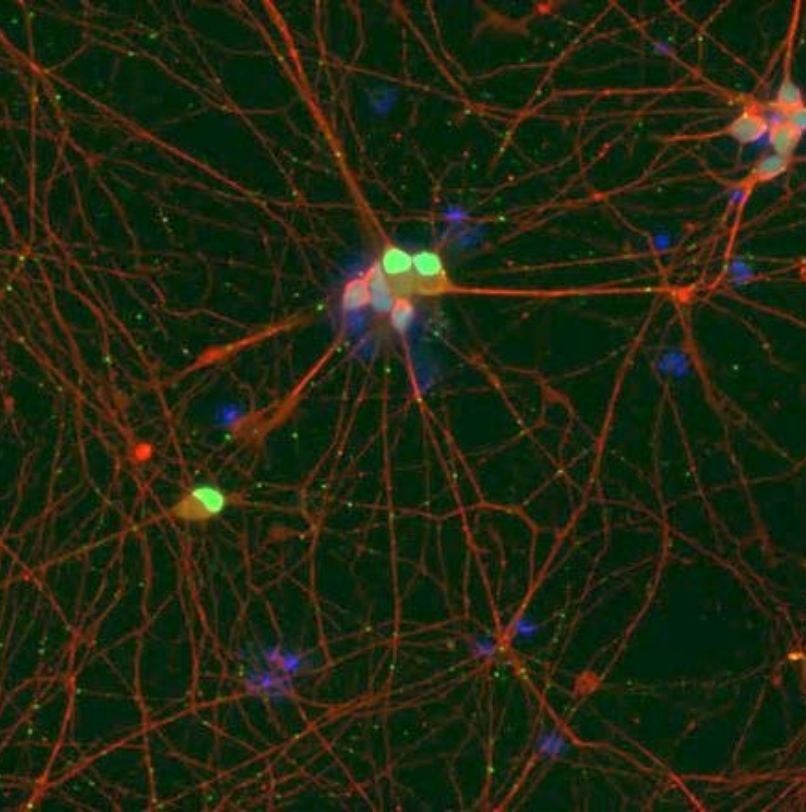
Ncyte® Sensory Neurons display characteristic neuronal morphology and develop extensive neurite networks in culture. They express key sensory neuronal markers including PRPH, BRN3A, ISL1 and SCN9A, supporting their sensory neuronal identity. Further identification based on additional biomarkers can be performed upon request.
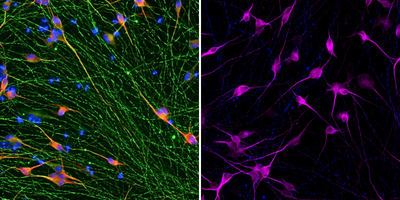 Immunofluorescence staining of Ncyte® Sensory Neurons at Day 7 post-thaw demonstrates expression of vGLUT1, MAP2, DAPI (right) TUBB3 and vGLUT1 (left)
Sensory neurons are a physiologically relevant tool for in vitro studies of human nociception and peripheral sensory biology. Ncyte® Sensory Neurons express markers associated with sensory neuronal identity and nociceptive signalling, including BRN3A, ISL1 and SCN9A. This supports their use in human-relevant models for investigating pain mechanisms, peripheral sensory function and neurotoxicity.
Ncyte® Sensory Neurons are highly suitable for drug discovery and disease modelling studies where nociceptive and peripheral sensory mechanisms play an important role, including chronic pain, neuropathic pain and chemotherapy-induced peripheral neuropathy. They can also support non-opioid analgesic discovery, ion-channel pharmacology and sensory neurotoxicity studies. Our team of neuroscientists is experienced in assay development and screening and can help you assess the efficacy and safety of therapeutic candidates in human-relevant sensory neuron models.
Human iPSC-derived atrial cardiomyocytes
Neural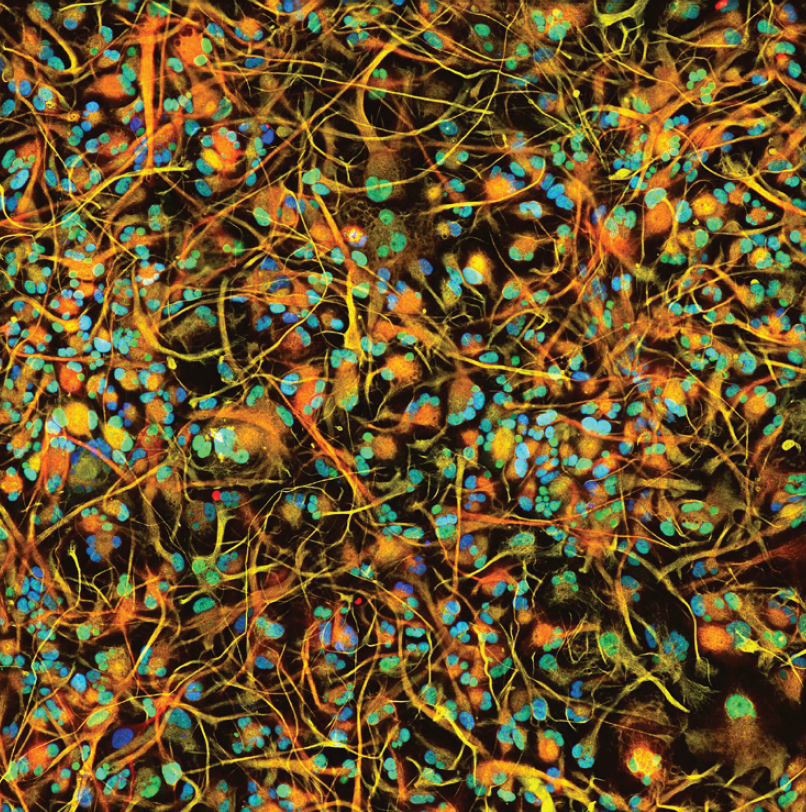
Human iPSC-derived astrocytes
Neural
Human iPSC-derived Cholinergic neurons
Neural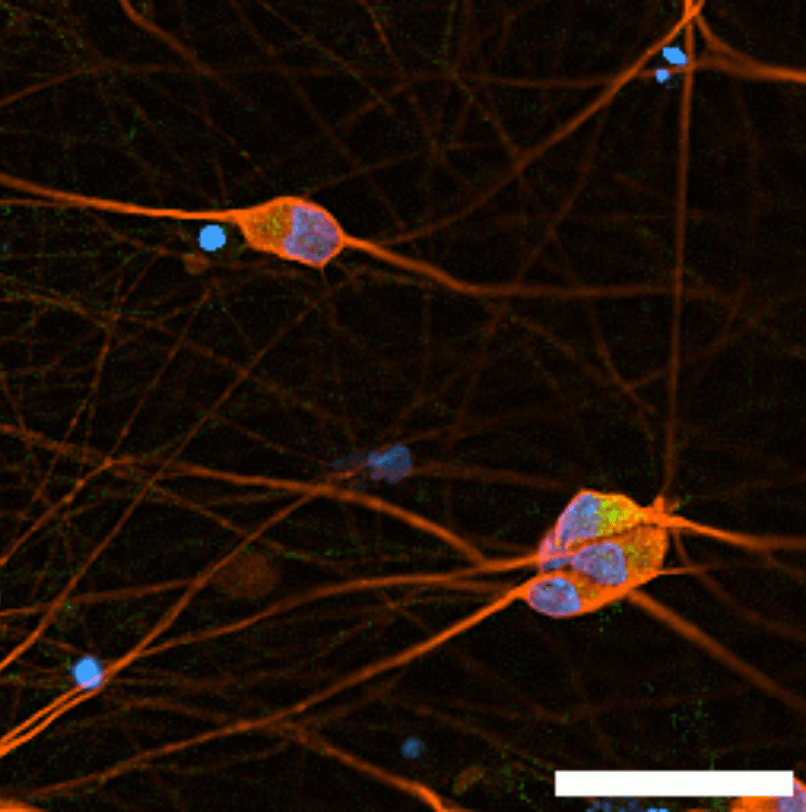
Human iPSC-derived Dopaminergic neurons
Vascular
Human iPSC-derived vascular endothelial cells
Neural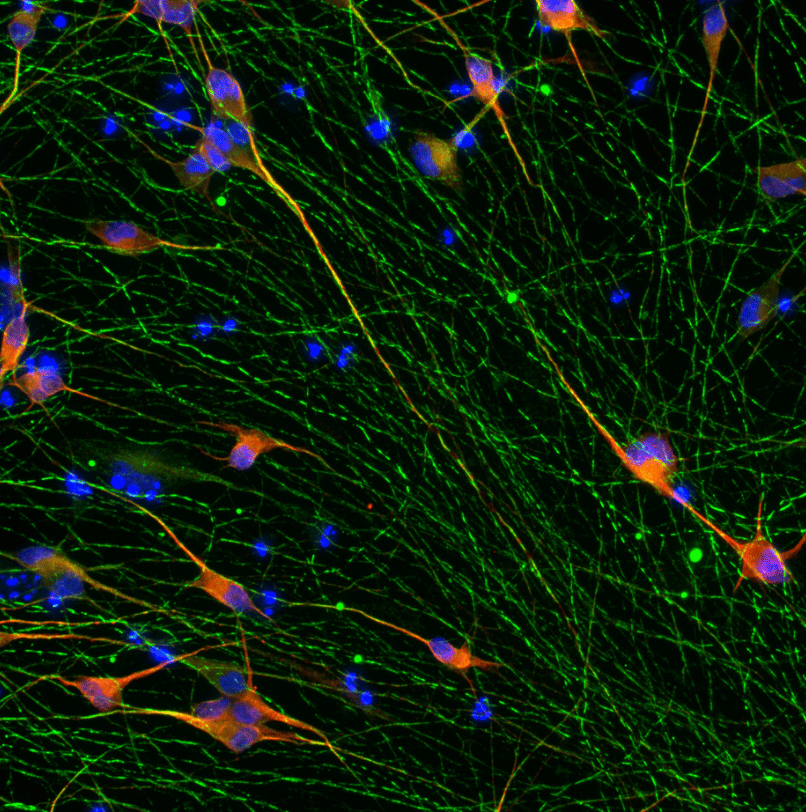
Human iPSC-derived excitatory glutamatergic neurons
Neural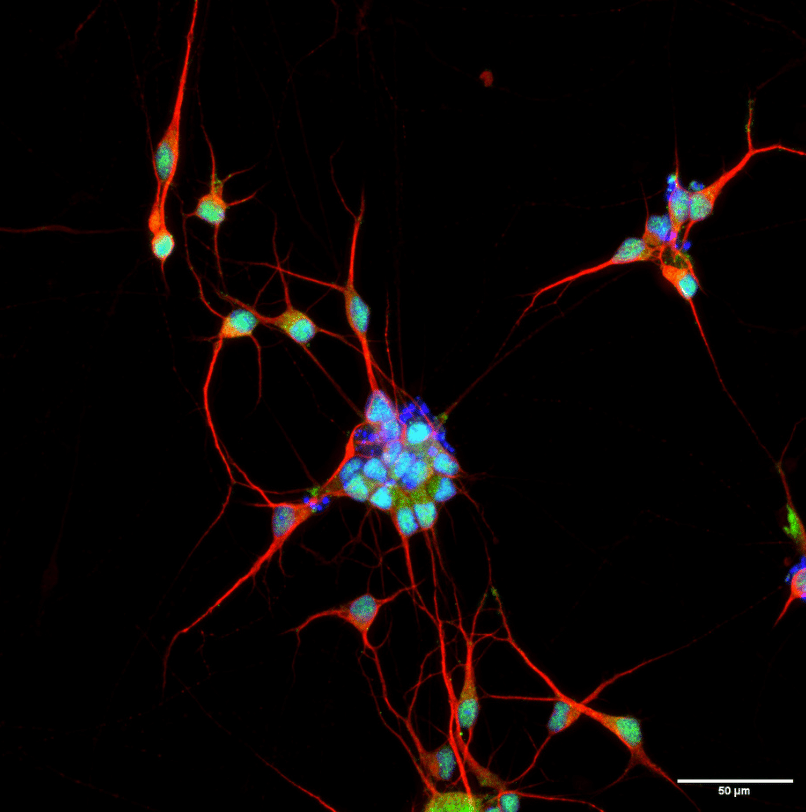
Human iPSC-derived GABAergic neurons
Cardiac
Human iPSC-derived 3D cardiac microtissue model
Neural
Human iPSC-derived microglia
Neural
Human iPSC-derived Motor neurons
Cardiac
Non-Human Primate Cynomolgus iPSC-Derived Ventricular-Like Cardiomyocytes
Neural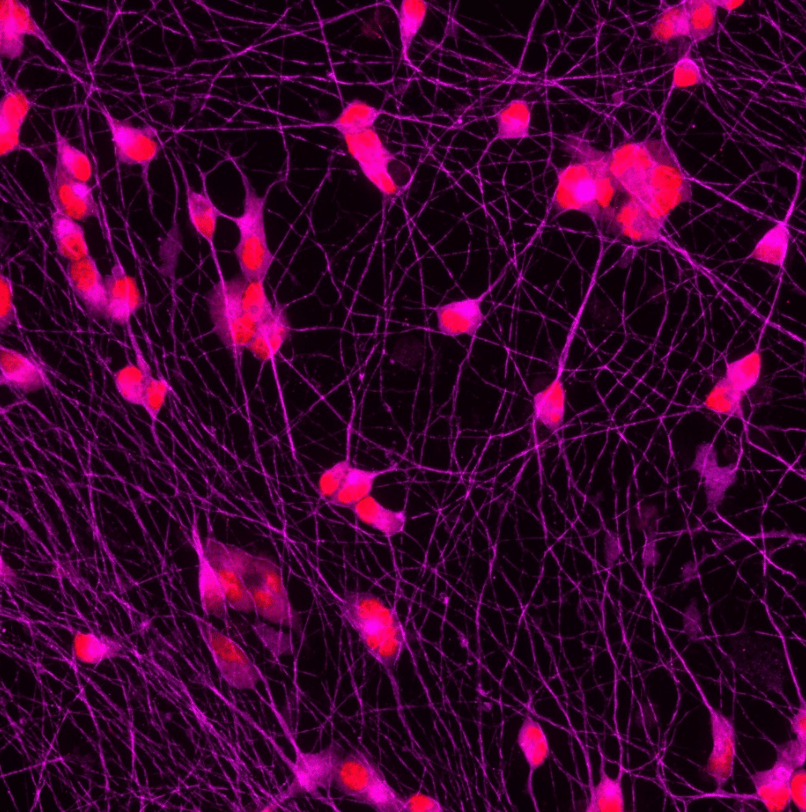
Human iPSC-derived Sensory neurons
Vascular
Human iPSC-derived vascular smooth muscle cells
Cardiac
Human iPSC-derived ventricular cardiomyocytes