Skip to content

Compound Binding and MoA in Human iPSC-Derived Atrial Cardiomyocytes

Explore compound binding, target identification and mechanism of action using human iPSC-derived atrial cardiomyocytes in this scientific poster.
TAKE THE FIRST STEP
FDRA

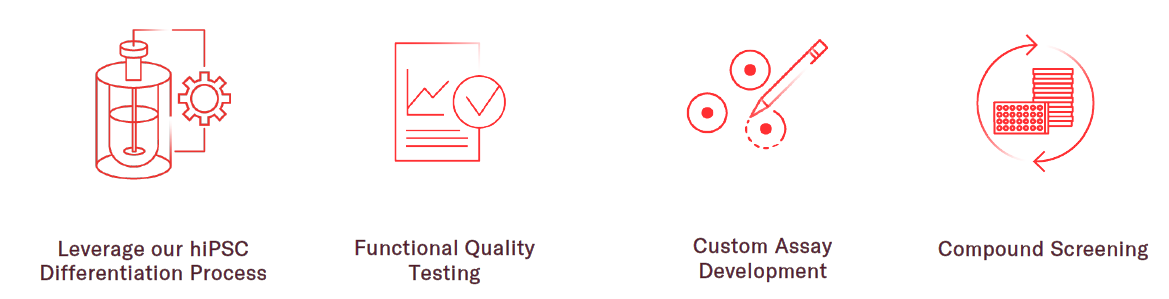
In this study, we support the client on assessing cardiotoxicity and identifying the mechanism of action (MOA) through functional and gene expression means. Our hiPSC-derived atrial-like cardiomyocytes (aCMs) and control Ncyte®  vCardiomyocytes were manufactured and characterized according to this specific research project. Then, cells were seeded into multi-electrode array (MEA) plates and treated with a panel of control compounds with the aim to identify drug targets, support SAR and determine mechanisms of action.

The results demonstrate the potential of Ncardia's hiPSC-derived models and custom screening services, as a robust and physiologically relevant platform to accelerate and de-risk the development of new therapeutic strategies. 
Screenshot 2024-07-25 104526


ABOUT US
Predict future safety and efficacy more efficiently
For more than a decade, Ncardia has been pioneering innovations in human induced pluripotent stem cells (iPSC). Our iPSC drug discovery platforms have been successfully leveraged by large biopharmas, up-and-coming drug discovery firms and multinational research consortia to advance therapeutic candidates for cardiovascular, neurological and other disease areas.

Download the poster by
filling out the form below: